EU proposal would make verifiable qualifications portable through EUDI wallets
At the heart of the European political project is the fundamental right to live and work in another EU country. True mobility, however, is more challenging. The European Parliament is now examining the Skills Portability Act, a legislative proposal that could transform the adoption of verifiable credentials and worker mobility across the 27 member states of the European Union.
The Skills Portability Act was published in September as part of the EU Commission’s Fair Labour Mobility Package. A briefing this week outlines the proposal and its implications for workers, employers and credential providers. The EU is laying the groundwork for a digital credential framework that would allow qualifications to be stored, verified and shared across borders through the European Digital Identity (EUDI) Wallet.
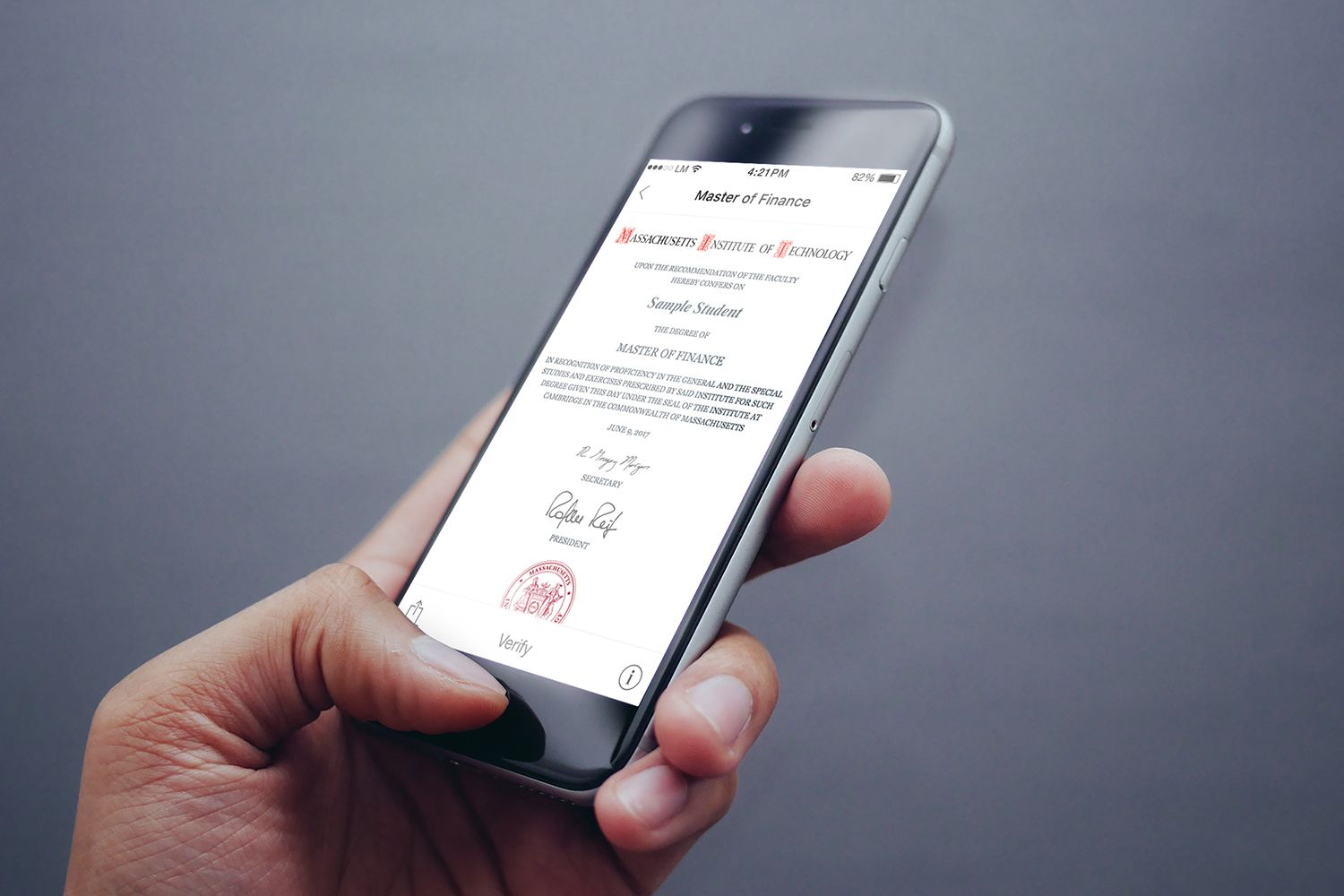
Under the proposal, individuals would receive digital credentials free of charge and be able to share them directly with prospective employers, via their digital identity wallet. Digital qualification attestations (DQAs) would be issued either by authorized public bodies or qualified trust service providers, thereby establishing a verifiable chain of trust for educational and professional qualifications.
Employer acceptance is central to the proposal. Organizations would not be permitted to reject a DQA as evidence of a qualification simply because it is presented in digital form. Neither could they challenge its authenticity when it has been verified through the approved framework. Verification tools would enable employers and authorities to confirm both the validity and current status of a credential in real time.
The proposal also stresses revocation and lifecycle management. If a credential is withdrawn or invalidated, that change would need to be communicated across the EU within 24 hours. This would ensure that verification systems reflect a credential's current status — underscoring the importance of maintaining trust throughout the credential lifecycle.
Three-year transition if legislation is adopted
Implementation would take place over a 36‑month period following the regulation's entry into force. At that point, DQAs would become the default format for newly awarded qualifications.
Holders of qualifications issued during the preceding ten years would be entitled to request digital versions, which authorities would generally be required to provide within two weeks.
Older qualifications awarded up to 45 years before implementation could also be digitized on request, although Member States would have some discretion to limit such requests to individuals seeking work in another Member State.
The 36-month transition reflects the scale of the challenge. Public consultation identified the limited digitalization of qualification documents as a structural obstacle to cross-border mobility. The European Trade Union Confederation (ETUC), for example, supported improving credential portability while DigitalEurope called for a broader credential architecture, such as industry micro-credentials.
The ecosystem would require extensive integration between national qualification databases, accreditation systems and EU-level infrastructure. The free online platform Europass is expected to have a crucial role alongside the EUDI Wallet ecosystem, helping to link qualification information to existing European frameworks and making credentials easier to interpret across jurisdictions.
For credential providers, universities, professional bodies and trust service entities, the proposal would create new technical and compliance obligations. Institutions would need to issue credentials in interoperable formats, support verification services and participate in the wider trust framework underpinning the system.
However, the proposal does not create automatic recognition of qualifications. The briefing points out that DQAs are intended to make qualifications easier to verify, compare and authenticate across borders. Professional recognition requirements under Directive 2005/36/EC, along with licensing rules and sector-specific regulations, would continue to apply.
In other words, the framework would simplify proving that a qualification is genuine, but it would not automatically grant the right to practise a profession in another Member State.