Biometrics take on new roles as trust and security demands grow
Biometrics are being asked to do more than establish identity. From proving presence in remote transactions to estimating age without identifying a person, biometric applications are expanding, along with the technologies needed to protect them against attacks. Headlines on Biometric Update this week also show the growing importance of the infrastructure supporting those capabilities, and the regulatory questions raised as they move into new applications.
New use cases for emerging technologies
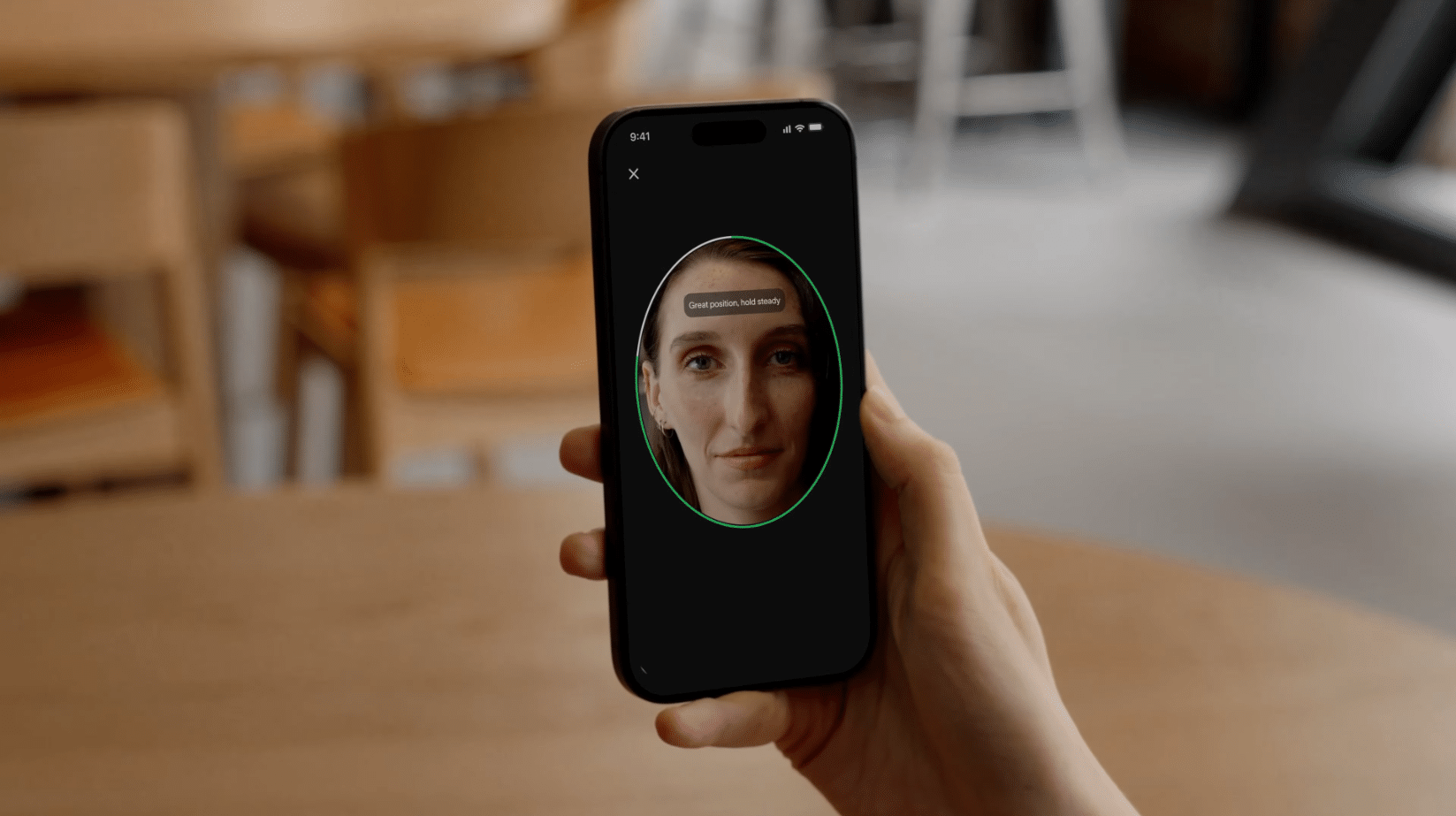
When the UNICC collaborated with the UNJSPF on a biometric secure pension delivery system, establishing the user’s location and liveness were just as much part of the goal as matching a recipient’s identity. UNICC’s Emily Bennett and Pablo Arribas explain in an interview with Biometric Update how meeting the requirements of the organization’s partners can contribute to the development of DPI for use around the world.
An expansion of DPI is one of the requirements for African countries rushing to unveil AI strategies to take practical advantage of the technology, says Remy Takang, a lawyer specializing in AI governance. As DPI enables AI adoption, AI can also make DPI investments go farther, Takang argues.
Questions of identity and accountability are also emerging as governments begin deploying AI agents. AmanTrue CEO and Co-founder Evin McMullen argues in a Biometric Update guest post that government adoption of AI agents raises the stakes for authentication, authorization and accountability.
Innovatrics passed an IAD assessment by CLR Labs at the “high” level, qualifying the company’s protection against injection attacks for remote identity proofing at the “extended” assurance level. Argos Identity is building up its IAD capabilities, too.
The fraud prevention potential of signed biometric barcodes and liveness detection prompted Envoc’s shift beyond the point of credential issuance, CEO Calvin Fabre tells Biometric Update. Delivering that fraud prevention in a completed product for organizations that need to issue their own credentials or step up their MFA is the company’s focus.
Estimation and harmonization
Facial age estimation enables businesses to assess whether users meet age thresholds without necessarily establishing their identities.
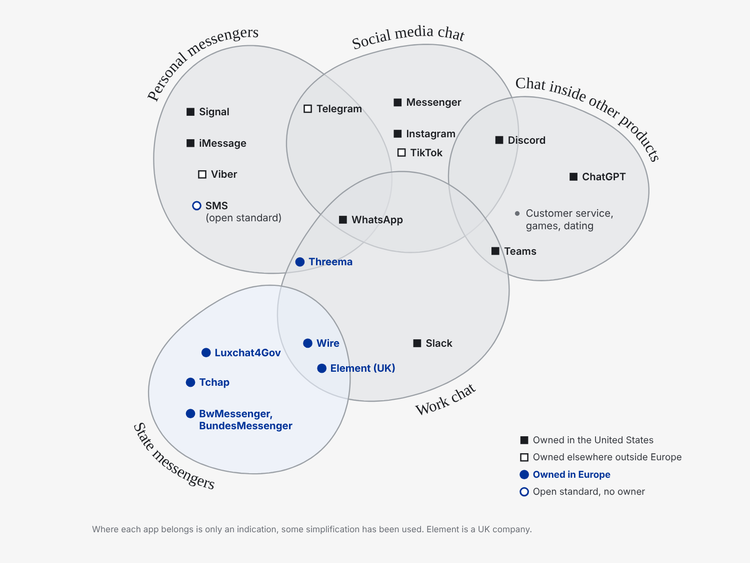
hashID CEO and Founder Stephan Bergmann tells Biometric Update that age estimation is currently one of the most popular technologies in Europe’s age assurance market. His company avoids biometrics altogether, providing ZKP age verification through the digital wallet in its privacy-preserving digital identity and messaging app.
But the EU market for age assurance has been thrown into a holding pattern, at least momentarily, as the EC asks national authorities to wait a year while it gets harmonized rules in place.
Professor Fraser Sampson warns in a column that both tech companies and online harms can find their way around age assurance rules. Layers of technology, partnership and enforcement will be needed to keep children reasonably safe online.
Cutting-edge tech brings new concerns
The UK government has outlined plans to regulate police use of facial recognition through its Police Reform Bill, including a new oversight body and testing requirements. The proposals follow a Home Office consultation on the technology.
Police in Western Australia conducted nearly 1.4 million facial scans during a live recognition trial, a figure equivalent to about 45 percent of the state's population, though individuals may have been scanned more than once. The NEC system generated 292 alerts, including nine incorrect alerts, and police reported 122 arrests.
IPVM reports that a rift appears to be opening up between the Security Industry Association’s leadership and some rank-and-file members over the SIA’s support of Flock. IPVM compares it to the organization’s defense of Dahua and Hikvision.
Please let us know if you spot any podcasts, live events or other content we should share with the people in biometrics and the digital identity community in the comments below or through social media.