Biometrics and standards bring cross-border digital ID closer
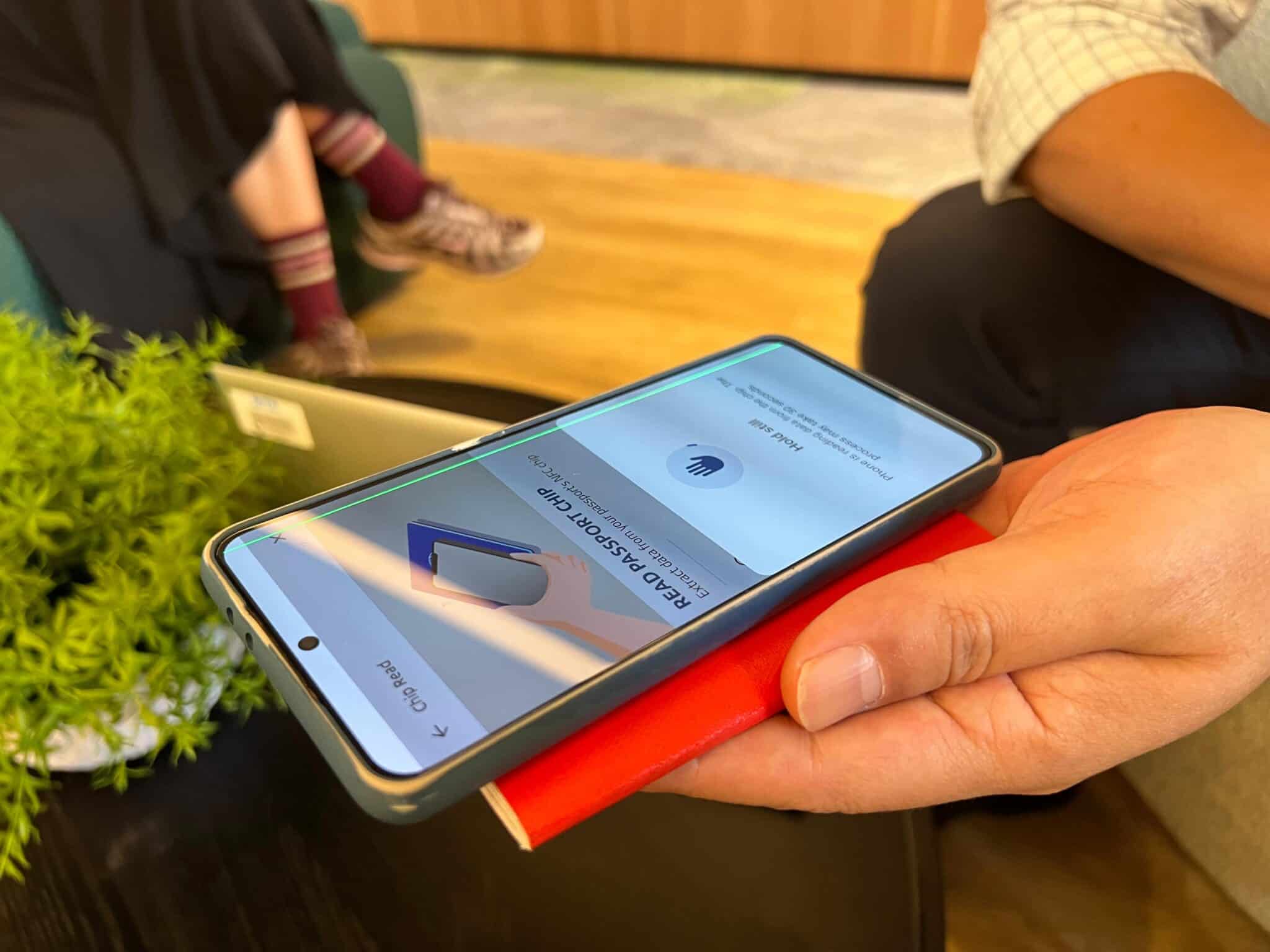
Cross-border digital ID is advancing rapidly in terms of biometrics and cryptographic tools, technical standards and capabilities. But like everything else in digital identity, building it is easier than making it work. One of the key themes running through this week's top stories on Biometric Update is why that remains the case.
Governance is hard, and particular to each country, which makes aligning it with your neighbors, and everyone else in the world, very challenging. But it can be done, and this week’s industry news includes a series of lessons from the progress made so far.
Policy pitfalls
A report from consultancy Thetius and credential provider Maritime Passport warns of a troubling scenario in which fragmented digital seafarer credentials fail to improve the lengthy checks workers must frequently complete. Interoperability and ease of verification are needed, and the International Maritime Organization has issued relevant guidance, but important questions remain unresolved.
Yet cross-border digital ID use is creeping ever closer to reality, and from a technical standpoint could be widely implemented now, according to a workshop held by the Cambridge DPI Regulatory Programme and Alan Turing Institute. The hold-up is in governance, regulations and the gaps between how countries handle those controls.
A guest post by Consult Hyperion Principal Consultant Gillan Ward for Biometric Update looks to mature digital identity schemes like BankID and SingPass for lessons on how to build a successful EUDI Wallet ecosystem. Clear goals, certification for technical components, evolving governance and iteration are all key, but cross-border interoperability is needed from day one.
Africa’s governments are targeting interoperable digital identity and DPI on sovereign cloud infrastructure which will enable cross-border digital services through the Yaoundé Declaration. The declaration makes the African Observatory on E-Government and AI permanent and gives it a coordination role.
As for getting across borders more easily, IATA’s latest Global Passenger Survey shows more good news for airport biometrics. Distaste for lineups is nothing new, but the first certifications for an airline and an airport to IATA’s One ID and its Contactless Travel Directory are.
The challenge of maintaining trust
The technology and infrastructure needed for digital identity are becoming more capable, but the systems themselves still face major implementation and security challenges. Establishing trust is difficult. Maintaining it is harder.
Haiti does not have sufficient identity infrastructure and is not able to effectively use what it has, according to a new World Bank report. Insecurity is a major factor, but the civil registry and national ID systems are not interoperable, either.
A cyberattack on Moldova’s digital government infrastructure exposed personal information associated with approximately 750,000 national ID numbers. Attackers targeted government services without authentication and were able to collect information including biographical data, photographs and bank account info. Perhaps just as worrying, a breach of more than 41,000 personnel records for employees and contractors of the U.S. Department of Homeland Security has grave potential implications for the country’s intelligence operations. The “Icepick” files reportedly originate from an Okta identity management environment.
Switzerland is looking for a new chief for its already-delayed national e-ID. Urs Paul Holenstein is due to retire in 2027, shortly after the country's digital trust infrastructure is expected to become operational.
Nigeria’s INEC is putting the upgraded biometric voter verification system through its paces ahead of next year’s national elections. The agency is drawing on its experiences to make the devices’ software, batteries and biometrics all more resilient.
And with Halloween preceding the U.S. midterm elections, deepfakes are providing a different kind of scare. Pindrop’s Vijay Balasubramaniyan joins the Biometric Update Podcast to explore the growing threat of synthetic media, fraud and election misinformation.
Please tell us about any podcasts, reports or other content you think we should share with the people in biometrics and digital identity in the comments below or through social media.